Collection: Microsurgical Forceps
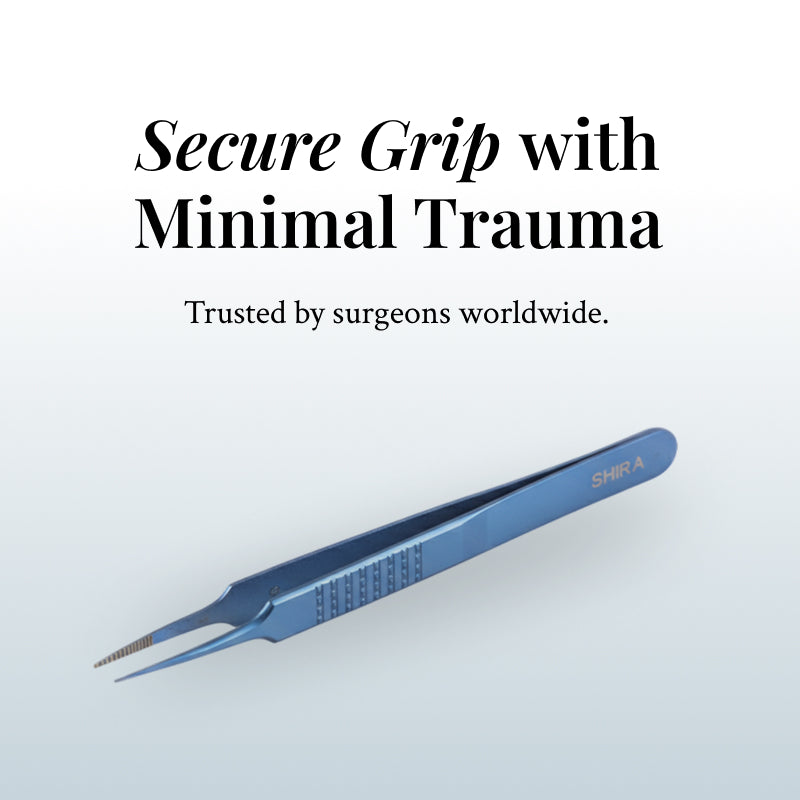
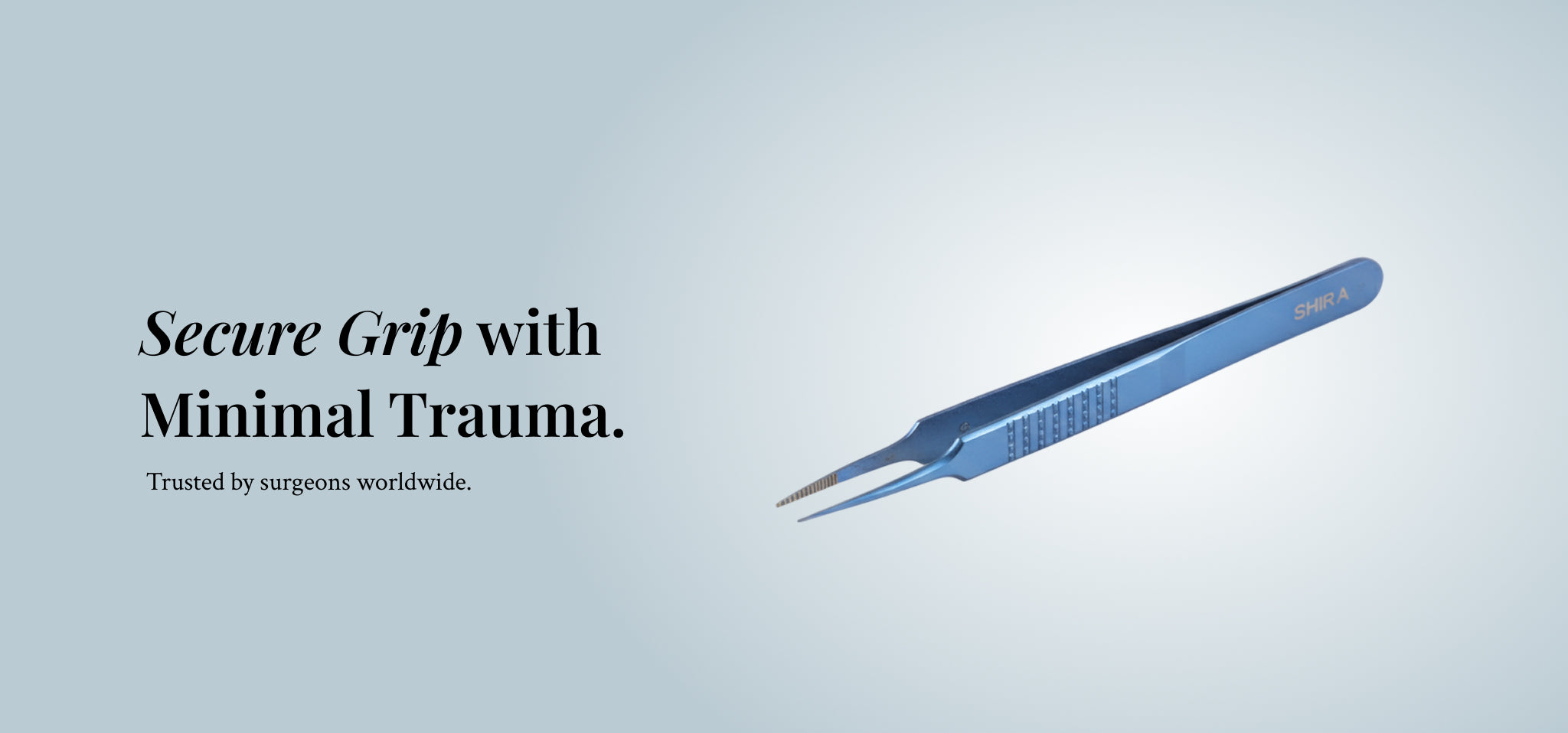
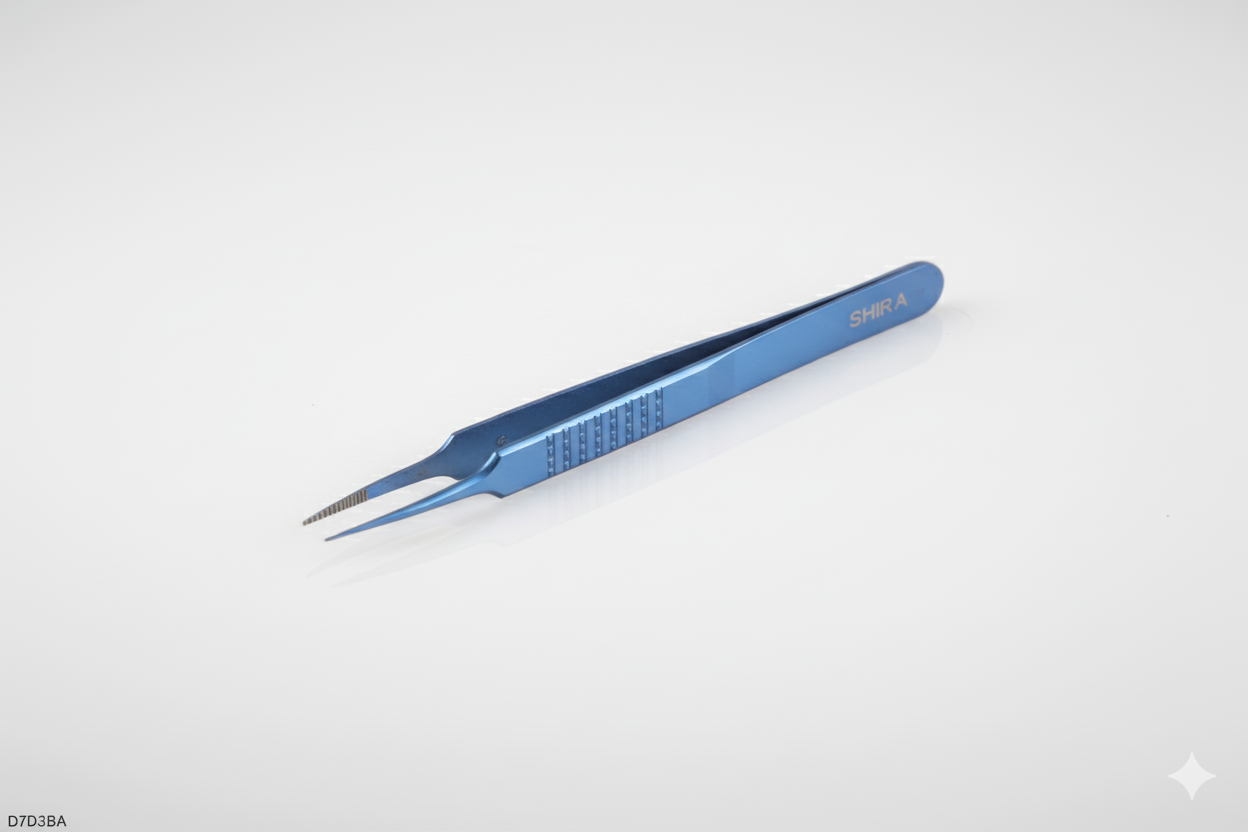
Jeweler's-style microvascular forceps for precision tissue handling and suture tying in anastomosis procedures. Tips align to 1/1000 inch tolerance (the diameter of 10-0 nylon) and meet over 3mm for reliable thread manipulation. Plain, toothed, platform, and holed tip configurations; straight and angled options for under-vessel access and patency testing. Titanium, Stainless Steel, and Coated Stainless Steel.
3-Jaw Approximator Micro Surgical Clamps
Frequently Asked Questions: Microsurgical Instruments
How should microsurgical forceps be chosen and maintained?
Select forceps based on tip style (toothed, smooth, SuperGrip, serrated tips, interlocking teeth, etc.), handle design (round, flat, balanced) and the specific task. Toothed forceps, featuring teeth, are ideal for grasping tougher tissues, while serrated tips and interlocking teeth provide a secure grip and prevent slipping during delicate procedures. Forceps are available in various shapes to suit different surgical needs. After use, clean promptly and sterilize according to institutional protocols to preserve the fine tips and spring mechanism

Are there forceps designed for specific tasks?
Yes. Pierse forceps have a tiny retention hole at the tip that securely grips tissues like sclera, vascular sheaths or epineurium while minimizing trauma. Banis forceps feature a curved tip for end‑to‑side anastomosis and can act as a suture‑tying instrument. Multipurpose Sørensen forceps combine a dilator, needle holder and tying forceps in one instrument. Tissue forceps are specifically designed for grasping and manipulating delicate or tough tissues, with specialized features for use in various surgical specialties
What do “balanced” forceps mean?
Balanced forceps have a counterweight near the handle so the centre of gravity lies between the thumb and index finger. This ergonomic design improves tactile feedback, control and reduces surgeon fatigue during long procedures.
What is special about SuperGrip forceps?
CryS&Tal SuperGrip forceps have tungsten‑carbide micro‑tips that grip tissue or suture with less pressure and less slippage. This design minimizes trauma and provides a more secure grip compared with conventional forceps.
Why are microsurgical forceps important in delicate surgery?
Forceps allow surgeons to grasp or manipulate small tissues, sutures and needles with high precision. S&T’s classic line forceps are handcrafted, inspected and originally derived from jeweler’s forceps, ensuring they are delicate enough for microsurgery and suitable for handling delicate tissue atraumatically.
Insights & Research
-
Microsurgery
Microsurgery is the unsung hero behind modern surgical marvels—from reattaching limbs to reconstructing tissue after cancer removal. Using precision instruments and microscopic magnification, surgeons meticulously connect tiny vessels and nerves,...
Microsurgery
Microsurgery is the unsung hero behind modern surgical marvels—from reattaching limbs to reconstructing tissue after cancer removal. Using precision instruments and microscopic magnification, surgeons meticulously connect tiny vessels and nerves,...
-
Anastomosis and Microsurgery
Explore the remarkable journey of microsurgical anastomosis, from ancient suturing techniques to cutting-edge robotics. Learn how pioneers like Julius Jacobson and Harry Buncke transformed surgical practice, turning what was once...
Anastomosis and Microsurgery
Explore the remarkable journey of microsurgical anastomosis, from ancient suturing techniques to cutting-edge robotics. Learn how pioneers like Julius Jacobson and Harry Buncke transformed surgical practice, turning what was once...
-
Joining 1 mm wide blood vessels
Discover the groundbreaking science behind microsurgical vessel anastomosis and how innovative tools like the three-jaw clamp have revolutionized reconstructive surgery. From precise vessel eversion to ensuring flow patency, explore the...
Joining 1 mm wide blood vessels
Discover the groundbreaking science behind microsurgical vessel anastomosis and how innovative tools like the three-jaw clamp have revolutionized reconstructive surgery. From precise vessel eversion to ensuring flow patency, explore the...